Does Alabama have a dog bite statute?
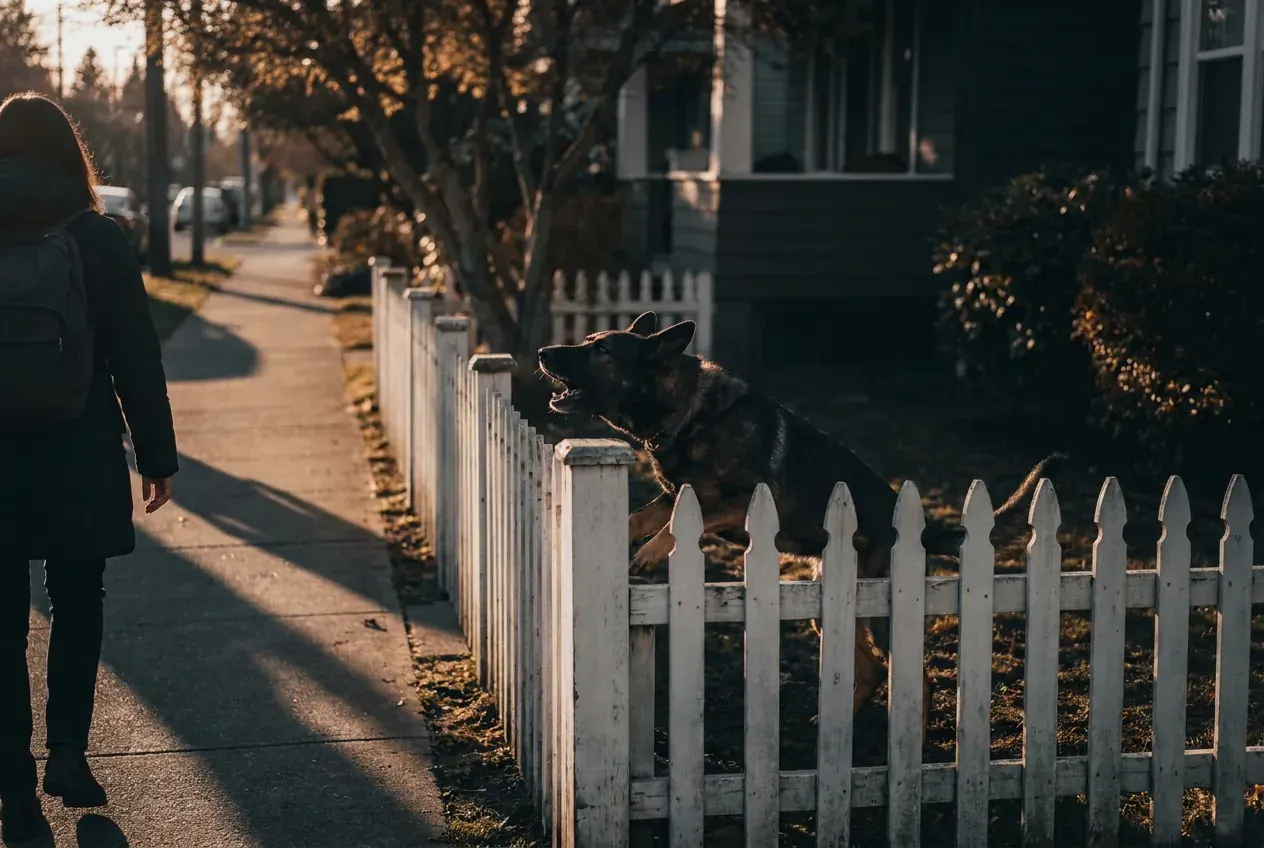
It does, but its reach is narrow. Code of Alabama section 3-6-1 makes the owner liable when a dog bites or injures you without provocation while you are somewhere you have a legal right to be. The catch is location. You must have been on property the owner owns or controls or the dog must have chased you off that property just before the bite.
So who counts as lawfully there? Section 3-6-2 names people doing a duty under state or federal law, postal workers, meter readers, milk deliverers and utility repair crews. Anyone invited in, by word or by conduct, of the owner or tenant counts too.
The no-knowledge defense that can shrink your claim
Alabama gives owners a partial escape that most states do not. Under section 3-6-3, the owner may plead and prove having no knowledge of anything showing the dog was vicious, dangerous or mischievous. If the owner proves that, the payout drops to the actual expenses the bite caused you.
That makes proof of past behavior worth a lot. Ask neighbors about earlier growling, lunging or bites and save any messages that mention them. Section 3-6-4 also keeps every older dog bite right in place, so the statute is not your only route.
Does Alabama follow the one bite rule?
Off the owner's land, yes. In Allen v. Whitehead, an Alabama Supreme Court decision, a two-year-old was attacked on the porch of his own home. The court restated the common law: an owner is not liable unless the owner had knowledge of the vicious propensity that caused the injury.
The family lost that part of the case for lack of such proof. Yet the court revived their other claims, including one that the owner let the dog escape from rabies quarantine. A careless act after the bite can matter too. Our page on the one bite rule walks through the kinds of evidence that show knowledge.
Contributory negligence: why your own conduct matters so much
Alabama is one of the few places that never moved to comparative fault. In Williams v. Delta International Machinery Corp., the Alabama Supreme Court was asked to drop contributory negligence and declined.
Under that rule, a finding that your carelessness helped cause your injury can bar a negligence claim entirely. Expect the owner's insurer to ask whether you reached for the dog or ignored a warning. Answer honestly and briefly and let a lawyer handle the recorded statement.
Alabama dog bite statute of limitations
Section 6-2-38(l) sets two years for any injury to the person not arising from a contract. That is the clock for an adult's bite claim.
Alabama counts adulthood from age 19 for this purpose. Under section 6-2-8, a child gets three years after the disability ends or the shorter period the law allows, so a bitten child has two years after turning 19. No disability stretches a claim past 20 years. More on a dog bite on a child is here.

Reporting the bite and Emily's Law
Under section 3-7A-9, it is unlawful for anyone who knows a person was bitten by a dog to fail to tell the rabies officer or health officer. The dog then goes into quarantine under a licensed veterinarian and a vaccinated dog may be allowed to stay at the owner's home.
For a dog you believe is dangerous, Emily's Law, section 3-6A-4, starts with a sworn statement before a city magistrate or sheriff. When the dog caused serious physical injury, a law enforcement officer runs the investigation.
How to report a dog bite in Alabama
Report the bite to the county health department. The Alabama Department of Public Health, Rabies page sets out the next steps.
Before you sign with anyone, check that the attorney is licensed: use the Alabama State Bar member search.