
Is Tennessee a strict liability state for dog bites?
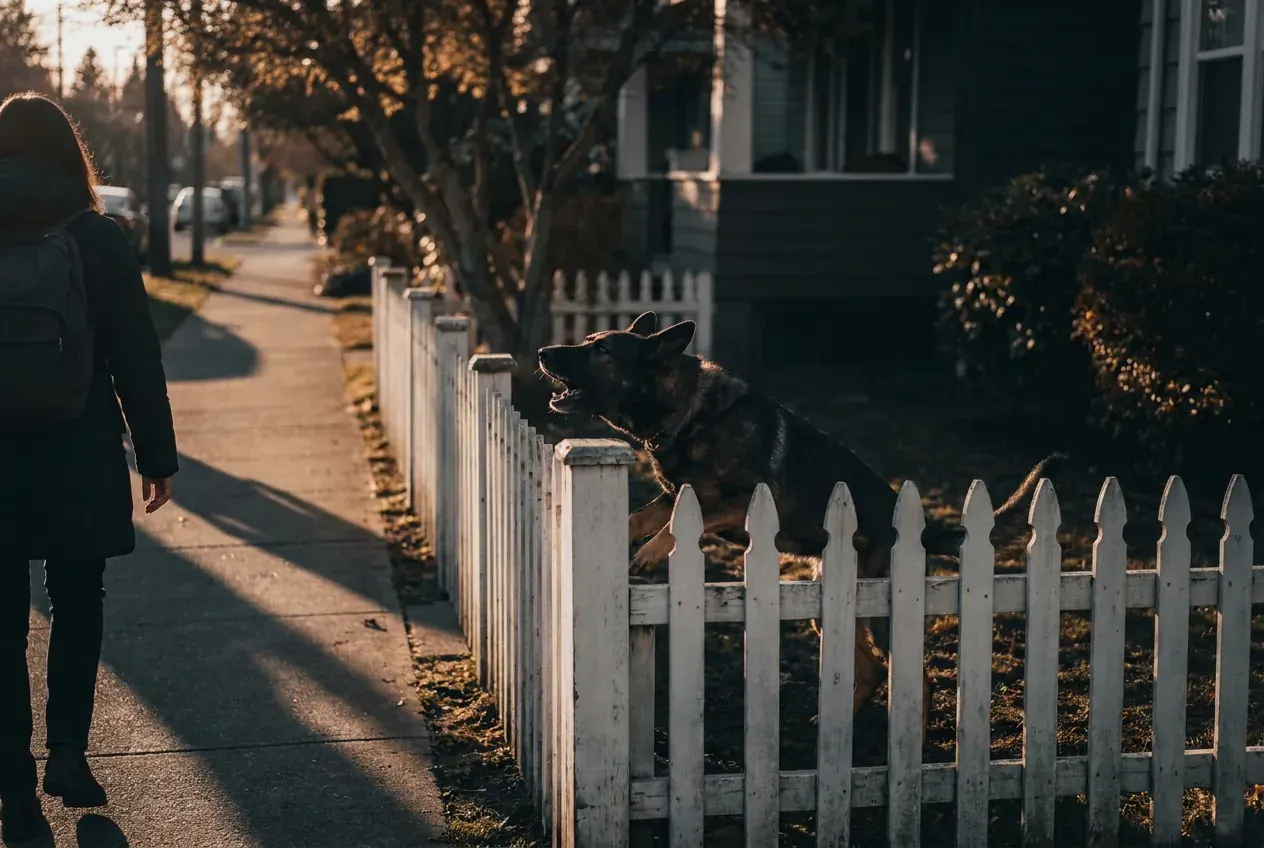
In public, close to it. Tenn. Code Ann. 44-8-413 gives every owner a duty to keep the dog under reasonable control and keep it from running at large. An owner who breaks that duty is liable to a person hurt in a public place or lawfully on another person's private property.
The statute says the owner can be liable whether or not the dog ever showed dangerous propensities and whether or not the owner knew of any. Running at large means the dog went uncontrolled onto someone else's premises without consent or onto a road, street or other place open to the public.
Bitten at the owner's home: the one bite rule returns
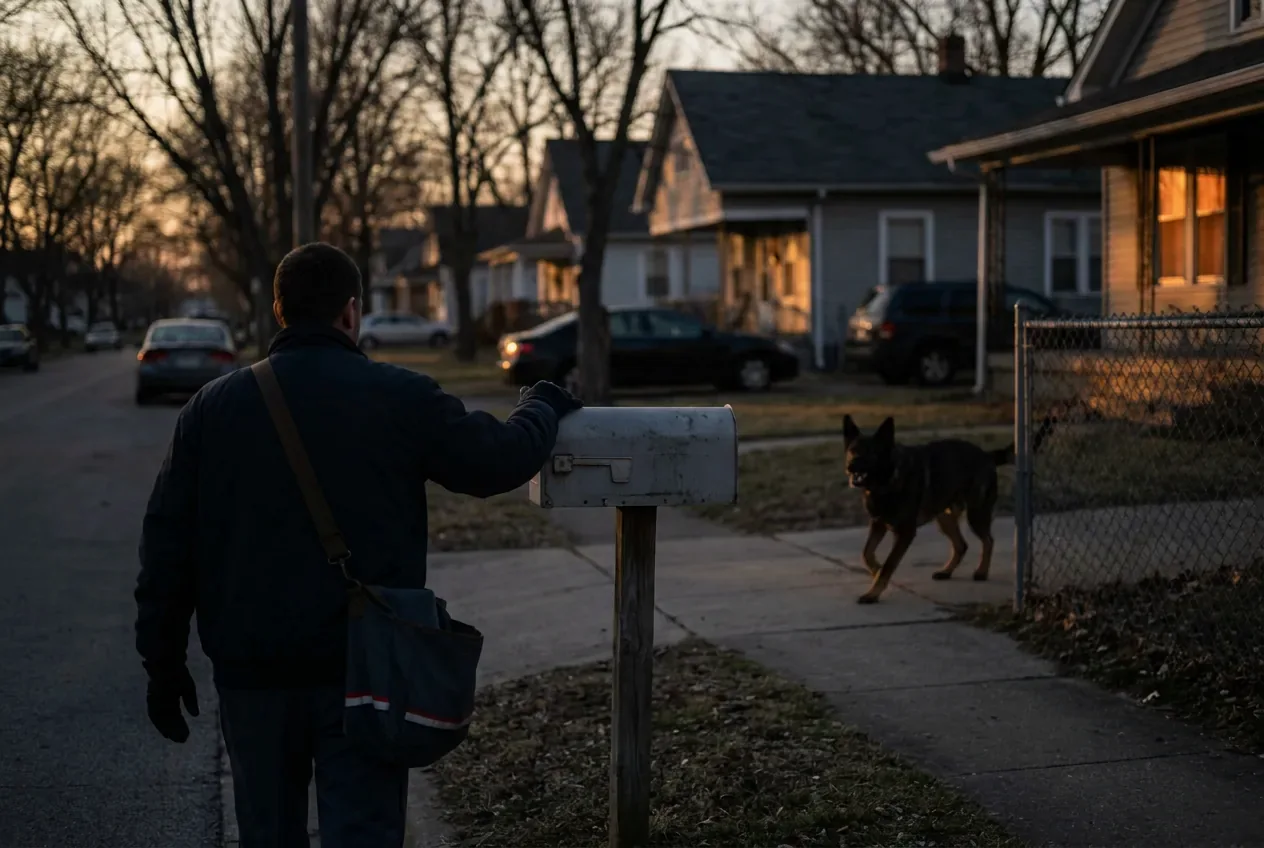
The same statute changes course on the owner's own ground. If the bite happened on residential, farm or other noncommercial property and the dog's owner owns that property or is there as a tenant or with permission, you must prove the owner knew or should have known of the dog's dangerous propensities.
That proof is added on top of the usual premises liability and comparative fault elements. A visit to a friend's house is the classic case and it is where earlier growling, a past bite or a warning to guests becomes the core of your claim. Our page on the one bite rule covers that kind of evidence.
Defenses and who counts as the owner
The public rule does not apply in five situations the statute lists:
- a police or military dog on duty, when the person hurt took part in or was suspected of, the conduct that led to its use
- a trespasser on the owner's private, nonresidential property
- a dog protecting its owner or another innocent person from attack by the injured person or that person's dog
- a dog securely confined in a kennel, crate or other enclosure
- an injury caused by enticing, alarming, harassing or provoking the dog
An owner is someone who regularly harbors, keeps or controls the dog. A person watching it only temporarily is not and owning the land alone is not enough, even when the landowner let someone keep the dog there. See landlord liability for a dog bite.
Tennessee dog bite statute of limitations
Subsection (d) of the dog statute points to the personal injury limit. Under Tenn. Code Ann. 28-3-104, that limit is one year after the claim accrues.
It stretches to two years in one case. Criminal charges must be brought over the attack or a prosecution must start in that first year by an officer, a district attorney or a grand jury. You then sue the person who was prosecuted.
For a child, the tolling statute quoted by the state Supreme Court in Sullivan v. Chattanooga Medical Investors lets a person who was under 18 sue after that disability ends, within the normal limit. For a bite, that points to the 19th birthday.

How fault is split in Tennessee
The Tennessee Supreme Court chose a 49 percent rule in McIntyre v. Balentine. You may recover so long as your negligence remains less than the defendant's, with damages cut by your share. A 50 to 50 split leaves you with nothing.
When to call a Tennessee dog bite lawyer
A year is short and the place of the bite decides what you must prove. A lawyer can pin down whose property it was, who regularly kept the dog and whether any charge was filed that could extend the deadline.
How to report a dog bite in Tennessee
Report the bite to your local animal control or health department. The Tennessee Department of Health, Rabies page sets out the next steps.
Before you sign with anyone, check that the attorney is licensed: use the Tennessee Board of Professional Responsibility attorney directory.