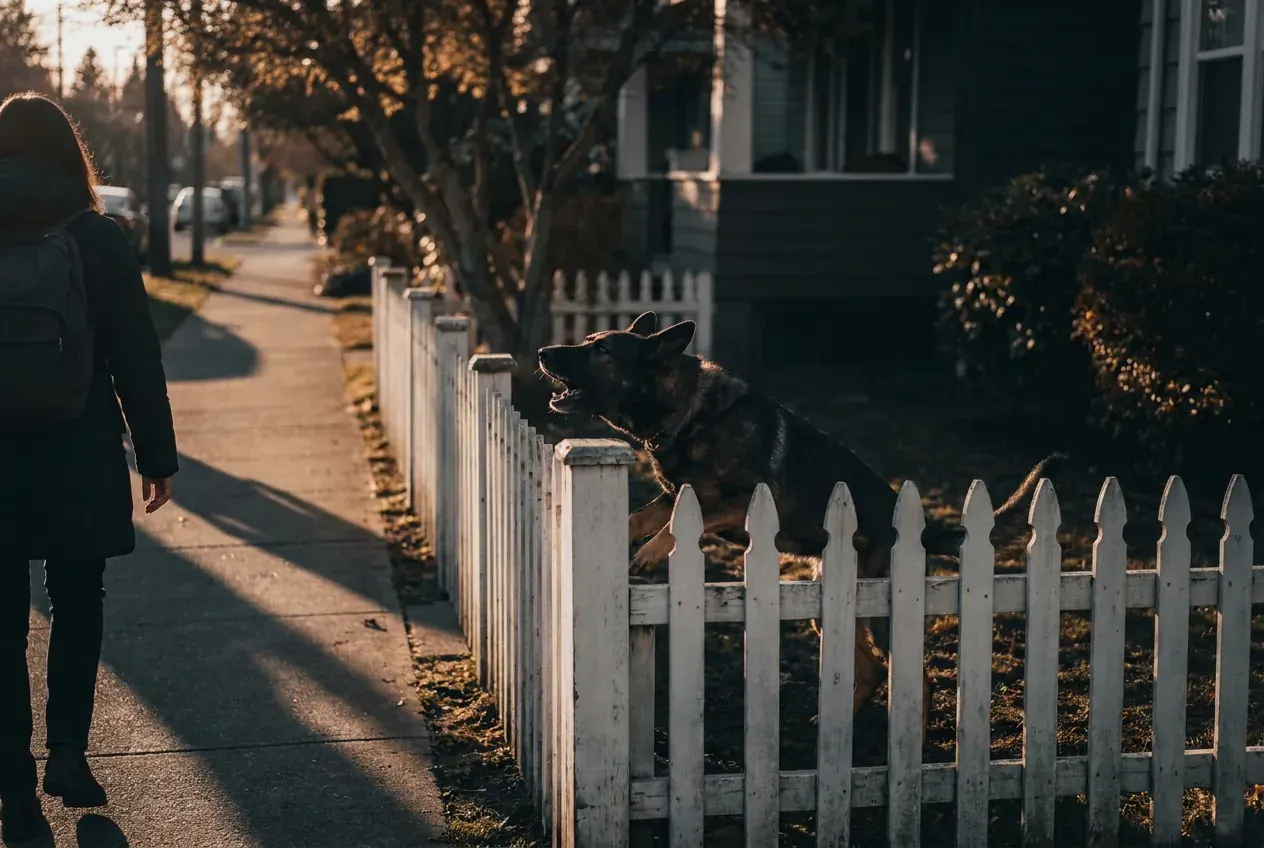

How Hawaii ended the first bite rule
Before 1980, Hawaii courts required proof that the owner knew the animal was vicious. The legislature found that this left utility workers, visitors and others lawfully on a property without a remedy, so it passed HRS 663-9.
As quoted in Hubbell v. Iseke, a Hawaii Intermediate Court of Appeals decision, subsection (a) makes the owner or harborer of an animal liable for injury it proximately causes, regardless of the owner's lack of knowledge of its vicious or dangerous propensities.
Harborer matters here. A relative, roommate or host who keeps the dog at their place can be named alongside the legal owner.
Is Hawaii a strict liability state for dog bites?
No and this is where Hawaii differs from both camps. The Hubbell court read the law to remove only the knowledge element. You must still prove duty, breach of duty and damages, the usual parts of a negligence case.
Strict liability under subsection (b) covers animals known by their species or nature to be dangerous, wild or vicious. The court relied on the legislative report saying dogs are not in that group.
In practice, focus on what the owner did that day. An open gate, a broken fence, a dog off its leash or a dog left alone with children are the facts that carry a Hawaii claim. Our page on strict liability dog bite rules explains how other states differ.
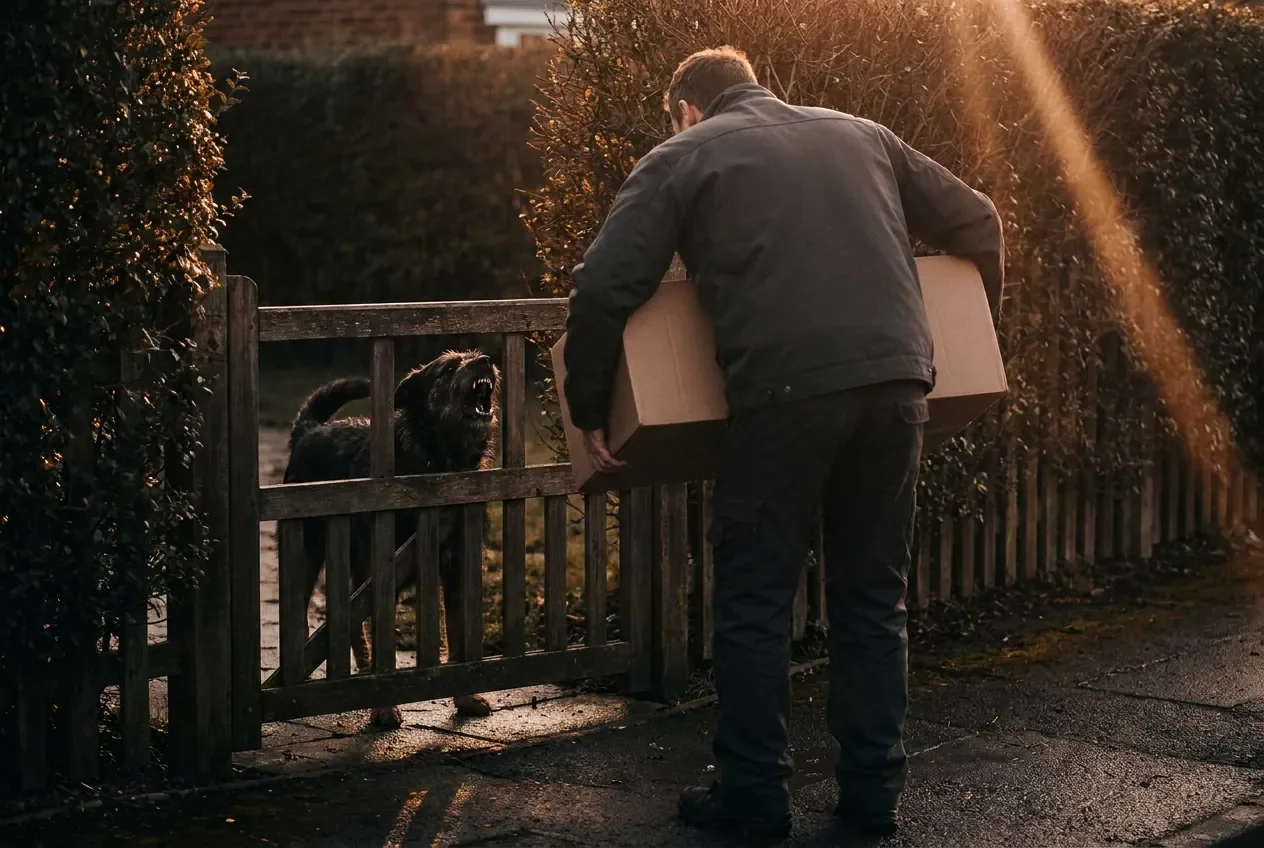
Hawaii dog bite statute of limitations
HRS 657-7 requires actions for damage or injury to persons to be brought within two years after the cause of action accrued. The Hawaii Supreme Court quoted that rule in Yamaguchi v. Queen's Medical Center.
The same statute points to section 657-13 as its exception, which covers infancy among other conditions. If your child was bitten, that exception may give more time, but evidence fades fast. Witness names and photos of the yard are easiest to gather in the first weeks.
When you share the blame
Hawaii uses modified comparative negligence under HRS 663-31. The Hawaii Supreme Court in Wong v. Hawaiian Scenic Tours explained that the statute allows recovery when the injured person's negligence was not greater than the combined negligence of those being sued.
Your damages are then reduced in proportion to your own share. If your share is greater, you recover nothing. Expect the insurer to ask whether you reached toward the dog or ignored a warning.
Rabies-free islands and talking to a lawyer
The Hawaii Department of Health says Hawaii is the only state free of rabies and dogs and cats entering must meet import quarantine rules. Every case of the disease found here came from an exposure outside the state.
That is good news, but the health department still advises cleaning any animal bite right away with plenty of soap and water. Without a rabies file, you may need to build your own record: photos, the owner's name and address and who saw it. A Hawaii dog bite lawyer can then show what the owner or harborer failed to do.

How to report a dog bite in Hawaii
Report the bite to the Department of Health or your doctor. The Hawaii Department of Health, Rabies page sets out the next steps.
Before you sign with anyone, check that the attorney is licensed: use the Hawaii State Bar Association member directory.