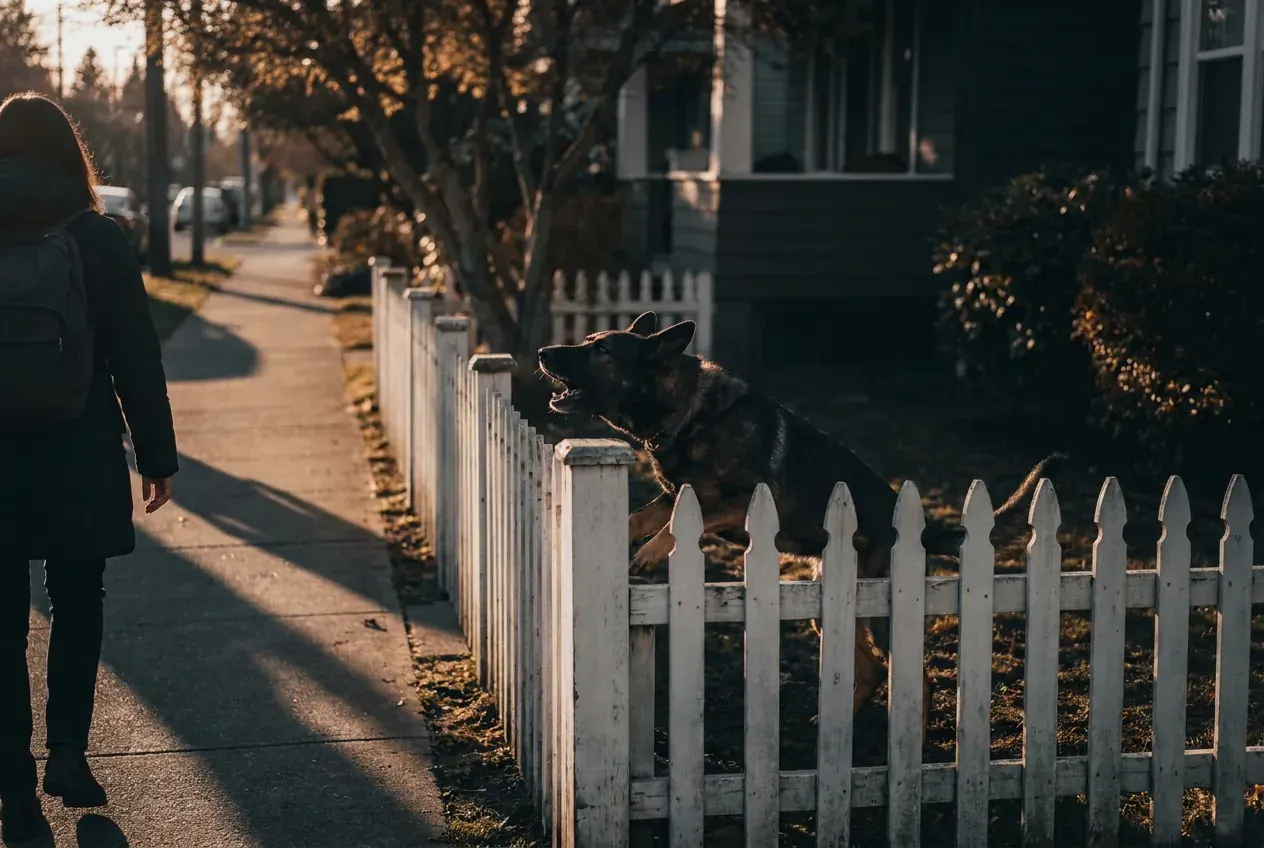

Does Kansas follow the one bite rule?
In practice, yes. The legislature never passed a law that makes owners pay for every bite, so the old common law rule controls. In Berry v. Kegans, a Kansas Supreme Court case, a six year old girl was bitten by a neighbor's boxer. The court upheld a jury instruction that the owners were not liable unless they knew the dog was vicious.
Knowledge can come from many places. A past bite counts, but so can lunging at passersby, a complaint from a neighbor or a warning the owner gave a guest. Write down anything you heard about this dog before the attack.
Carelessness as a second path
Kansas courts have also looked at plain negligence by the keeper of an animal. In Mercer v. Fritts, a Kansas Court of Appeals decision, the court applied a rule that a keeper of an animal not known to be dangerous is liable when negligent in failing to prevent the harm. That case involved a horse, not a dog.
Whether a careless owner theory fits your bite depends on the facts, like a broken fence or a dog left loose near children. A Kansas dog bite lawyer can weigh both routes and plead them side by side.
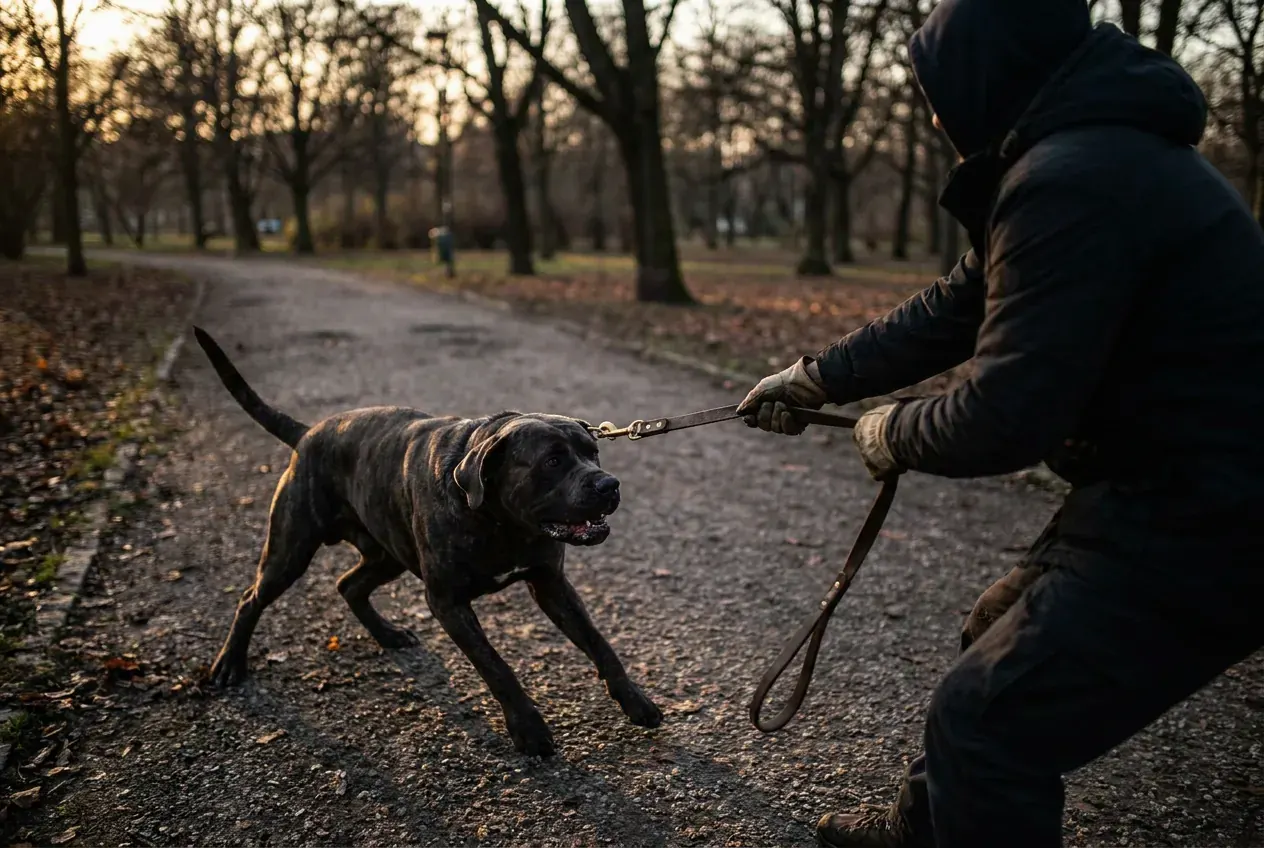
Kansas dog bite statute of limitations
Kansas gives two years. K.S.A. 60-513 lists an action for injury to the rights of another, not arising on contract, among the two year claims. The clock starts once the act first causes substantial injury.
Minors follow a different count. Under K.S.A. 60-515, a person bitten before turning 18 may sue within one year after that birthday. No such case may be filed more than eight years after the bite, so a young child cannot wait until adulthood.
What a share of the blame does to your claim
Kansas compares fault. K.S.A. 60-258a lets you recover only if your negligence was less than that of the people you sued. If a jury puts you at half or more, you get nothing.
Under half, the jury cuts the award by your share of the fault. The jury must return special findings that set each side's share. Teasing the dog or climbing into its pen are the facts an insurer will push.
Bitten by a city or county dog in Kansas
A police dog or a dog at a city shelter brings in the Kansas Tort Claims Act. K.S.A. 12-105b says you must file a written notice with the clerk or governing body first. It lists your name and address, what happened, your injuries and the amount you seek.
You then wait until the claim is denied or 120 days pass. After a denial you still have at least 90 days to file suit. Mark both dates so the two year clock does not slip by.

How to report a dog bite in Kansas
Report the bite to your local animal control or health department. The CDC, rabies after an animal bite page sets out the next steps.
Before you sign with anyone, check that the attorney is licensed: use the Kansas Supreme Court attorney registration directory.