
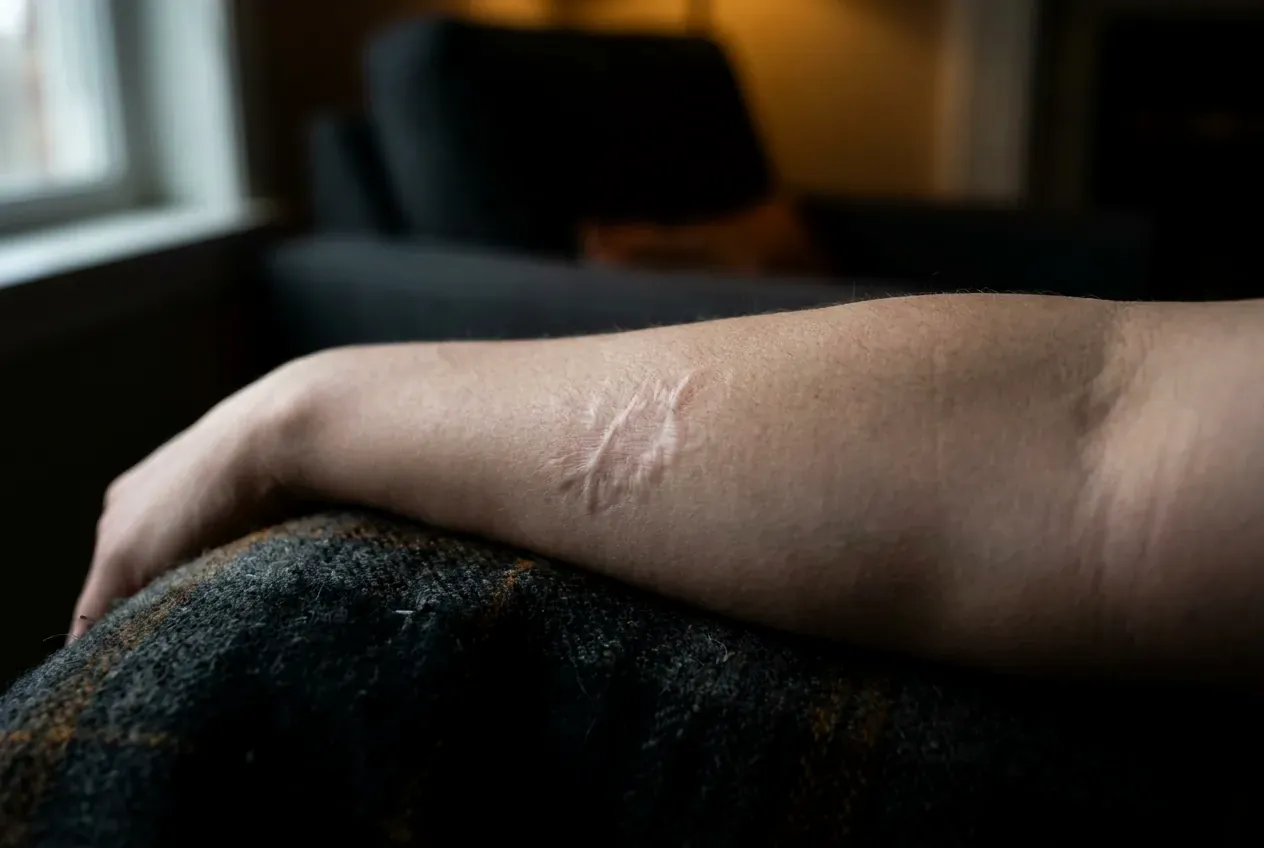
How a dog bite scar forms
A scar is a permanent patch of skin that grows over a wound, MedlinePlus explains. It is often thicker than the skin around it and pinker, redder or shinier.
Dog bites tend to tear and puncture rather than cut cleanly. Poor healing can leave a scar that is easy to see, the American Society of Plastic Surgeons notes. That is one more reason to have a deep bite cleaned and checked and to watch for signs of infection.
Caring for the wound so it heals well
- Follow the doctor's wound care and go to every follow-up visit.
- Call the doctor if the bite gets red, swollen, warm or starts to drain.
- Take a photo every week, in the same light and from the same distance.
For first aid and stitches, see dog bite treatment.
Dog bite plastic surgery and scar revision
Scar revision tries to make a scar less noticeable, so it blends with the skin around it, says the American Society of Plastic Surgeons. The options run from creams to small procedures to surgery.
No treatment can erase a scar completely. Ask your surgeon when the scar will be ready for revision, since the timing depends on the scar.
For a bite to the face, ask whether a plastic surgeon should close or review the wound. If the bite was on a child, read a dog bite on a child.
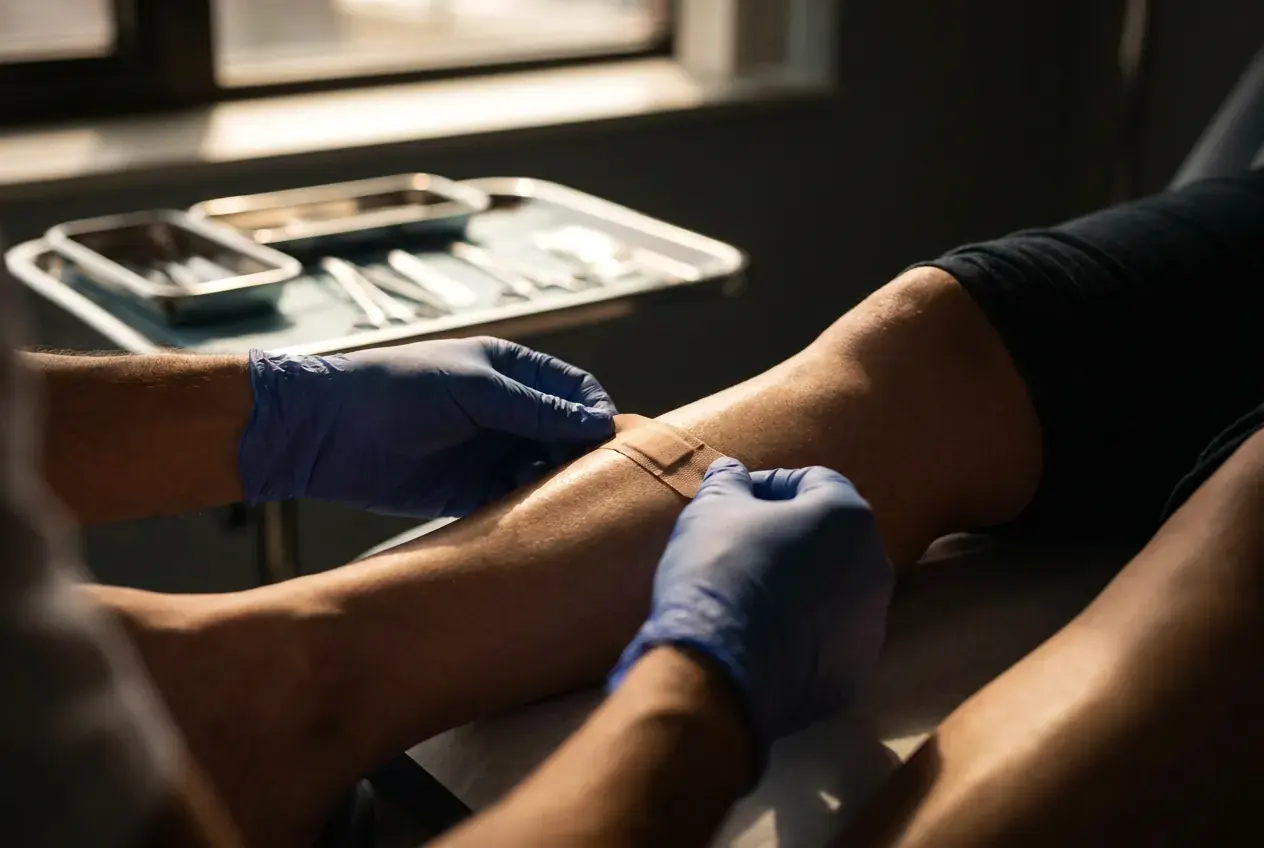
What a scar adds to a dog bite claim
A claim pays for more than today's bills. A lasting scar adds the cost of future treatment and the way it affects how you look and feel.
Those parts are hard to price and a first offer may not count them. Get a written estimate for any future revision before you settle.
The settlement calculator asks about scarring in its second question. Who pays depends on the state: see dog bite laws by state.