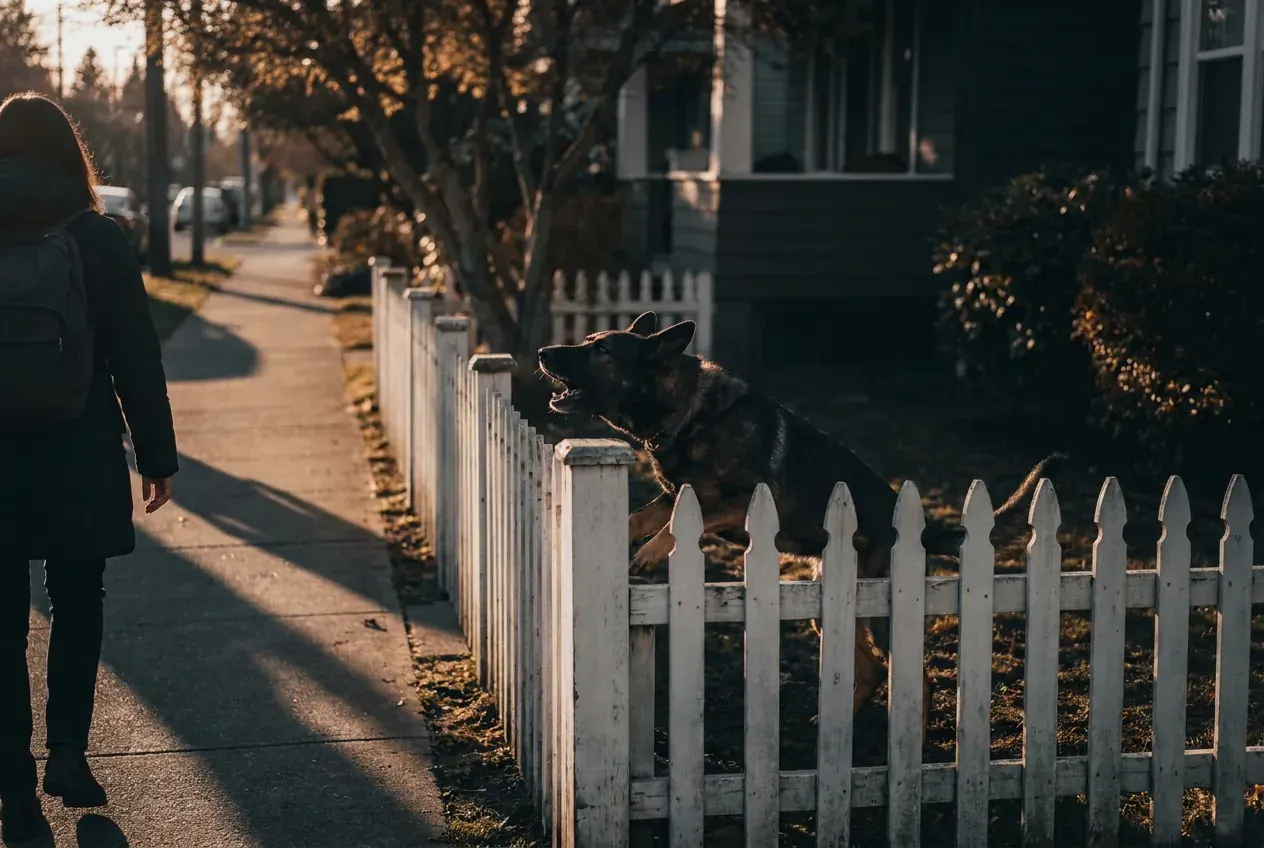

Does Washington, DC follow the one bite rule?
Not in its pure form. The District once had a civil liability section for animals, but D.C. Code 8-1812 was repealed by D.C. Law 22-37. Today a bite claim is a negligence claim: you show the owner failed to use reasonable care.
The leash rules make that easier. D.C. Code 8-1808 bars an owner or custodian from letting an animal go at large. If a dog injures a person while at large, the owner's lack of knowledge of the dog's vicious propensity, standing alone, does not clear the owner of negligence.
The same section requires a leash or other real control on school grounds and in public recreation areas other than dog parks. A loose dog in one of those places is strong evidence for you.
Contributory negligence can end a DC claim
This is the rule that surprises people most. In Wingfield v. Peoples Drug Store, D.C. Court of Appeals, the court said the District does not recognize degrees of contributory negligence. The rule is simply that contributory negligence bars a plaintiff's recovery.
So if the owner's insurer can show you were careless at all, such as reaching for a strange dog, it will argue you get nothing. Keep your description of the bite factual and consistent and do not guess about what you might have done differently.
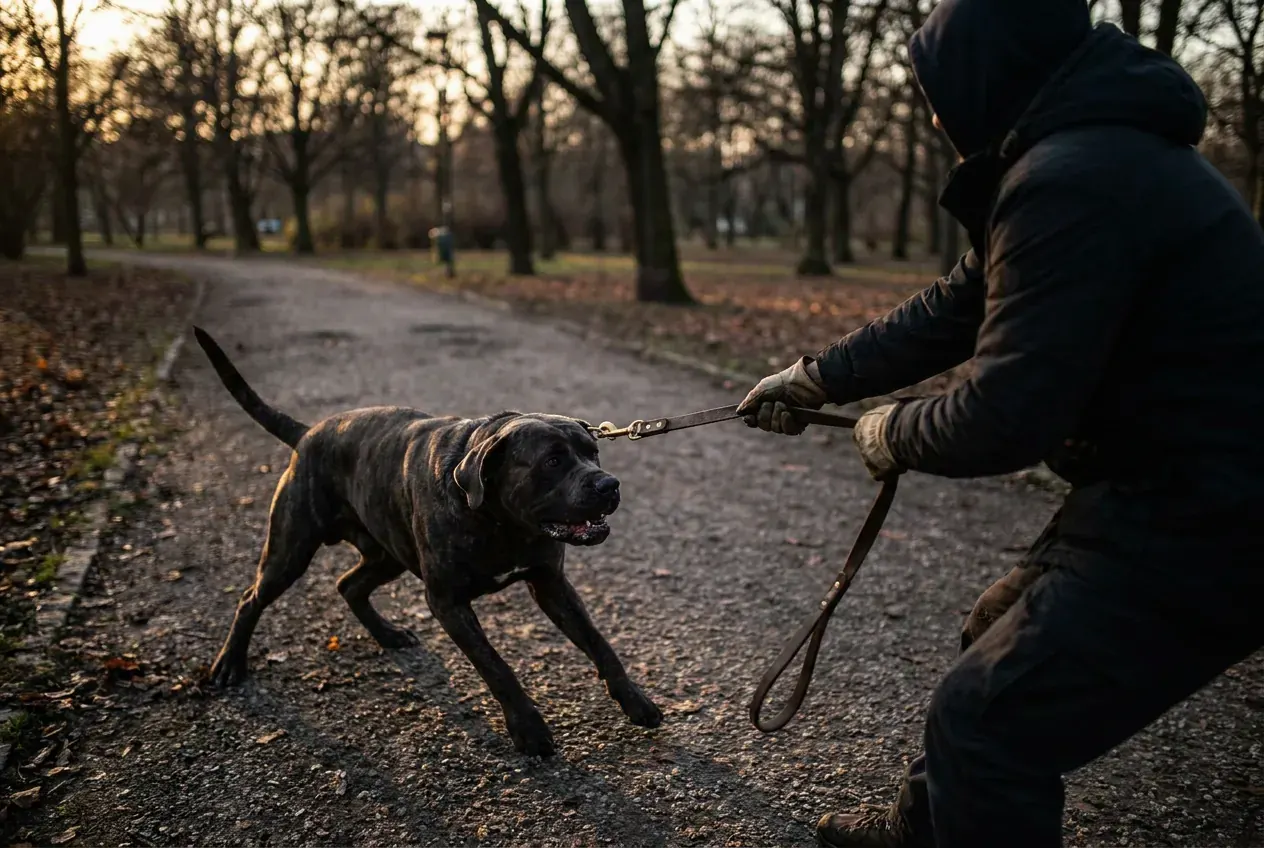
Washington, DC dog bite statute of limitations
An injury suit in the District falls under the catch-all period in D.C. Code 12-301, paragraph 8, which is three years. Count from the day of the bite.
For a child, D.C. Code 12-302 lets the claim be brought within the same time after the disability ends and being under 18 is one of those disabilities.
Claims against the District government run on a shorter fuse. Under D.C. Code 12-309, you must give written notice to the Mayor within six months of the injury, stating the time, place, cause and circumstances. A Metropolitan Police Department report made in the regular course of duty also counts as notice.
Reporting a dog bite in Washington, DC
DC Health says to report an animal bite through its DC Reporting and Surveillance Center form or by calling DC Animal Control at (202) 888-PETS. Doctors who treat a bite are asked to report it the same way.
After a bite, DC regulations cited on that page require the owner to keep the dog or cat quarantined for 10 days. An Animal Control officer inspects the animal on the first day and the last day. Those records name the owner and the dog, which your claim will need.
Serious injuries and the dangerous dog law
Under D.C. Code 8-1901, a dog that causes a serious injury without provocation is a dangerous dog. Serious injury means broken bones or cuts that need multiple stitches or cosmetic surgery. Dogs used for legitimate law enforcement work are left out of that definition.
A dangerous dog finding does not decide your civil case, but it backs up what the owner should have known. Because a single slip on your part can defeat recovery here, it helps to have a DC dog bite lawyer test the facts before you give any recorded statement.

How to report a dog bite in Washington, DC
Report the bite to the District of Columbia health department (DC Health), on its animal bite report form. The DC Health, Rabies and Animal Exposures page sets out the next steps.
Before you sign with anyone, check that the attorney is licensed: use the D.C. Bar member directory.