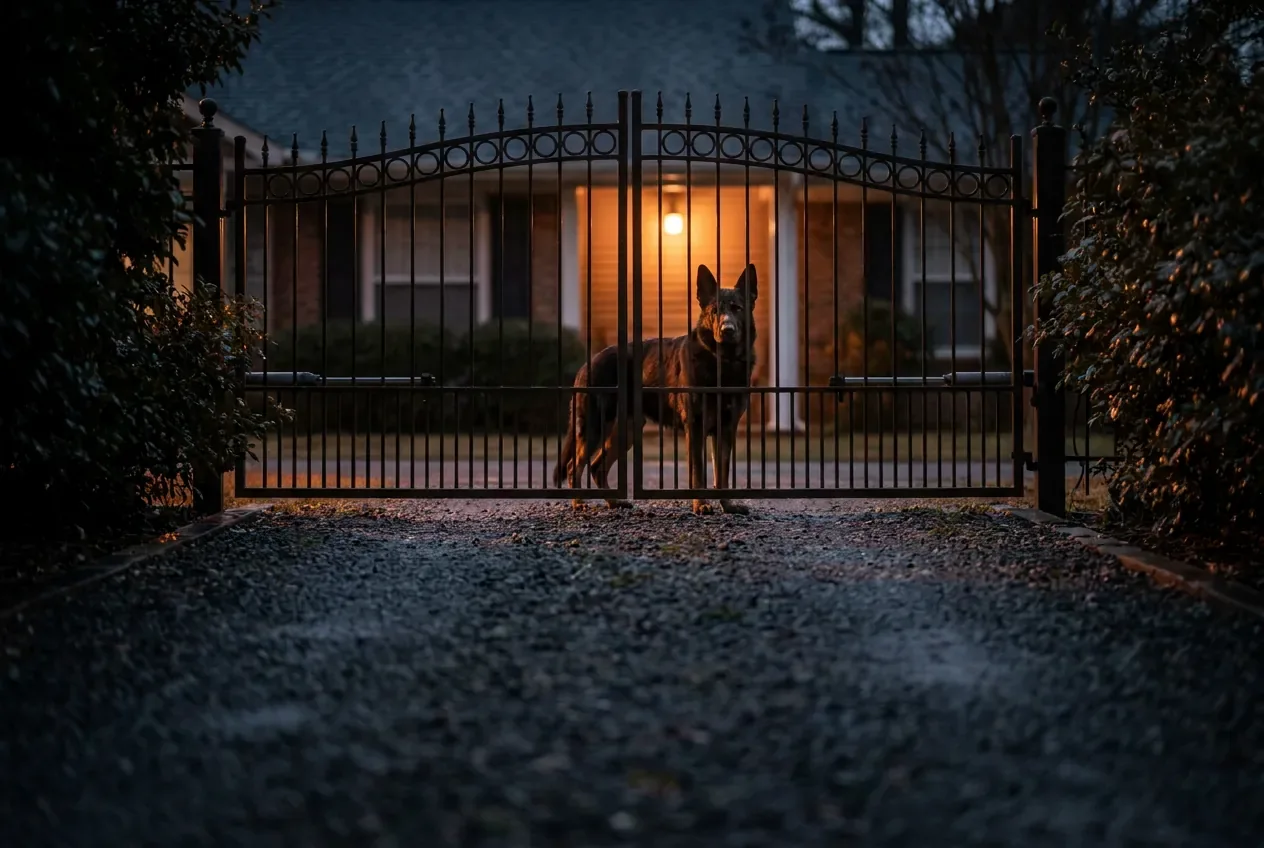
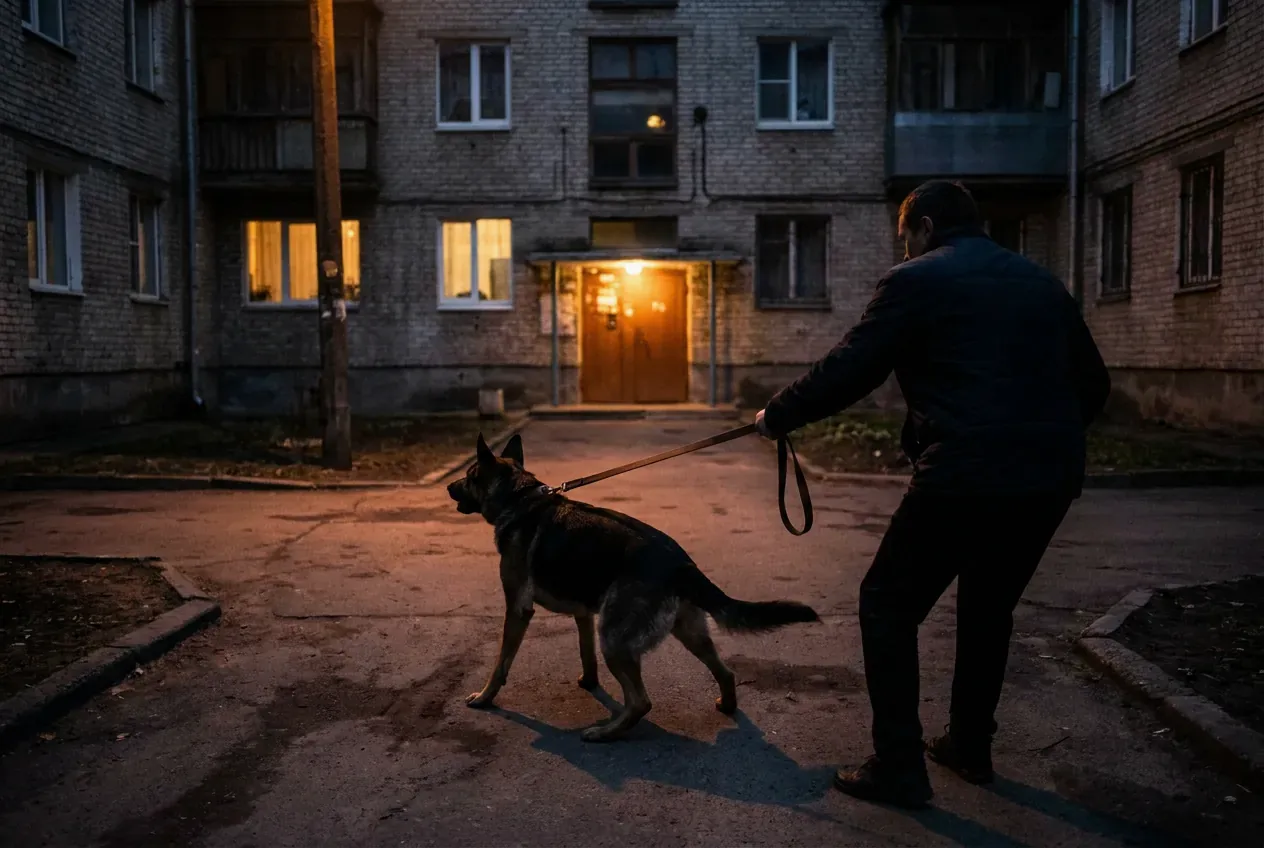
Does New Mexico follow the one bite rule?
Close to it, with a softer edge. New Mexico has no dog bite statute, so judges use the jury instruction quoted in Smith v. Village of Ruidoso, 128 N.M. 470. It reads: an owner is liable for harm the dog causes "if the owner knew or should have known, that the dog was vicious or had a tendency or natural inclination to be vicious."
That "should have known" part matters. The question is what the owner knew or should have noticed about the dog's nature, not only whether it had bitten someone before.
The same instruction carries a defense. The owner is not liable if you knew how the dog behaved and wantonly excited it or voluntarily and needlessly put yourself in its way. Our page on the one bite rule covers how this kind of proof is built.
New Mexico dog bite statute of limitations
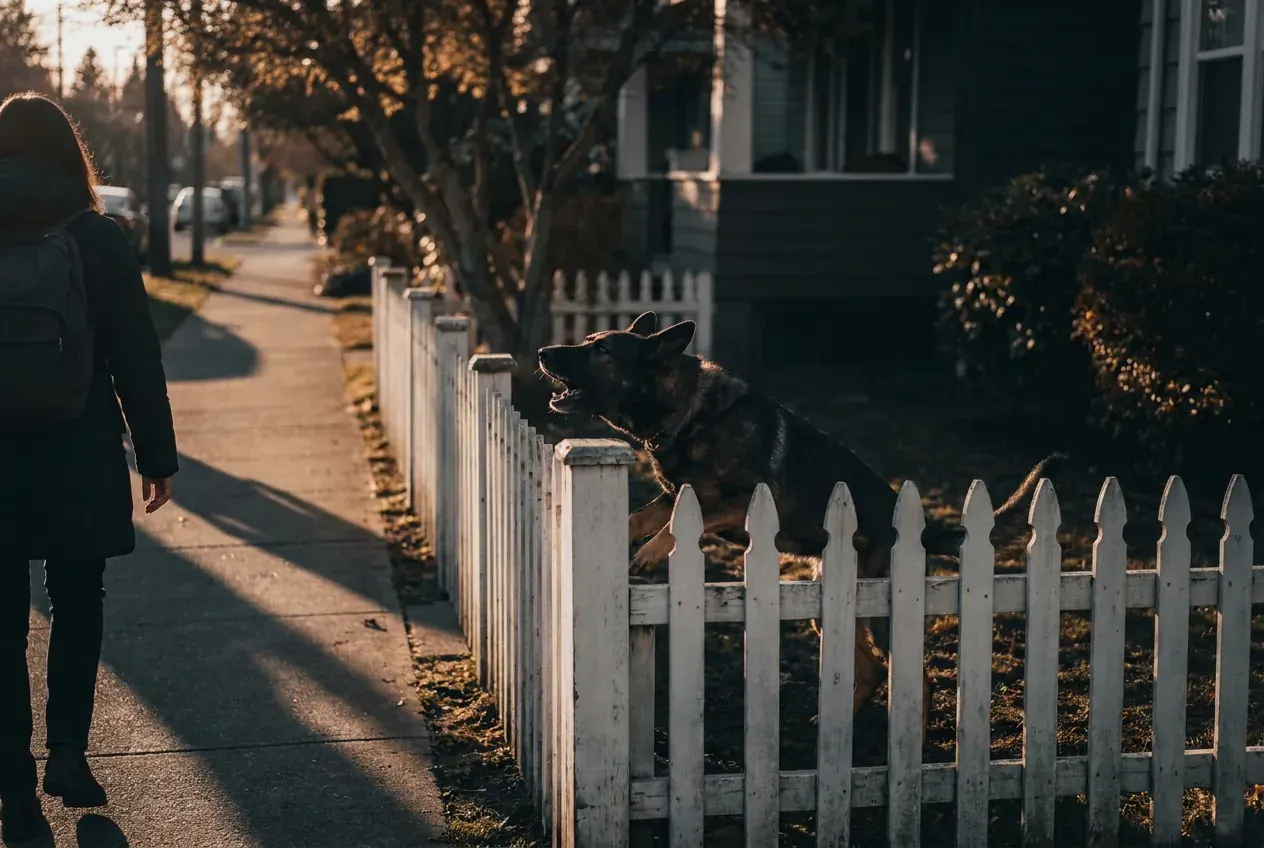
You have three years. NMSA 1978, section 37-1-8 sets that period for "an injury to the person." It runs from the day of the bite.
For a child, section 37-1-10 of the same chapter extends the time so a minor has one year after the incapacity ends to file. In plain terms, the child has until about age 19 if that is later than the normal three years.
Police dogs and dogs owned by a town
Smith v. Village of Ruidoso is a warning about public dogs. A narcotics dog owned by the village police bit a girl in the face as she walked down the block after school. The appeals court reversed her verdict because the strict style instruction is not a negligence theory and the New Mexico Tort Claims Act does not allow strict liability claims against governments. It sent the case back for a new trial in negligence.
The Act also shortens your time. Section 41-4-16 requires written notice of the time, place and circumstances within ninety days after the bite, sent to the mayor, the county clerk or the right official. Section 41-4-15 bars suit after two years, though a child under seven has until the ninth birthday.
Partly at fault? New Mexico uses pure comparative fault
New Mexico does not cut you off for sharing blame. In Scott v. Rizzo, 96 N.M. 682, the Supreme Court adopted pure comparative negligence. You are not barred from recovery because of your own fault; your award shrinks by your share.
That holds even if you were mostly to blame. A finding that you were 60 percent at fault still leaves 40 percent of your damages to collect.

New Mexico dangerous dog law
The state Dangerous Dog Act, NMSA 77-1A-1 and following, defines a dangerous dog as one that caused a serious injury: broken bones, multiple bites or disfiguring cuts that need stitches or reconstructive surgery. A lesser injury or chasing people aggressively without provocation, can make it potentially dangerous.
An owner of a registered dangerous or potentially dangerous dog must tell animal control immediately after an attack on a person. A prior finding like that can help show what the owner knew. Bite reporting and rabies confinement follow NMSA 77-1-6, which has the health department write those rules.
When to call a New Mexico dog bite lawyer
Call early if any public agency owned the dog, because ninety days goes fast. For a private owner, the work is gathering what neighbors, mail carriers and animal control saw before the bite. A lawyer can collect that while memories are fresh.
How to report a dog bite in New Mexico
Report the bite to your local animal control or health department. The New Mexico Department of Health, Rabies page sets out the next steps.
Before you sign with anyone, check that the attorney is licensed: use the State Bar of New Mexico online directory.