
Is Indiana a strict liability state for dog bites?
Only for one group. Under IC 15-20-1-3 in Title 15 of the Indiana Code, the owner pays all damages when a dog bites, without provocation, a person acting peaceably in a place they may be required to be to carry out a duty under Indiana law, federal law or postal regulations.
For those people the owner is liable even if the dog never acted vicious before and the owner knew of nothing. A letter carrier on a route is the clearest example. Our page on a dog bite to a mail carrier covers that case.
The same chapter defines owner to include anyone who possesses, keeps or harbors the dog.
Does Indiana follow the one bite rule?
For everyone else, yes. In Poznanski v. Horvath, an Indiana Supreme Court ruling, the court said all dogs, regardless of breed or size, are presumed to be harmless domestic animals. A dog owner is liable only if the owner knew or had reason to know of a dangerous propensity.
That presumption is overcome by specific acts of that particular dog. The court also held that a single unprovoked bite by a dog with no history is not enough by itself to infer the owner knew.
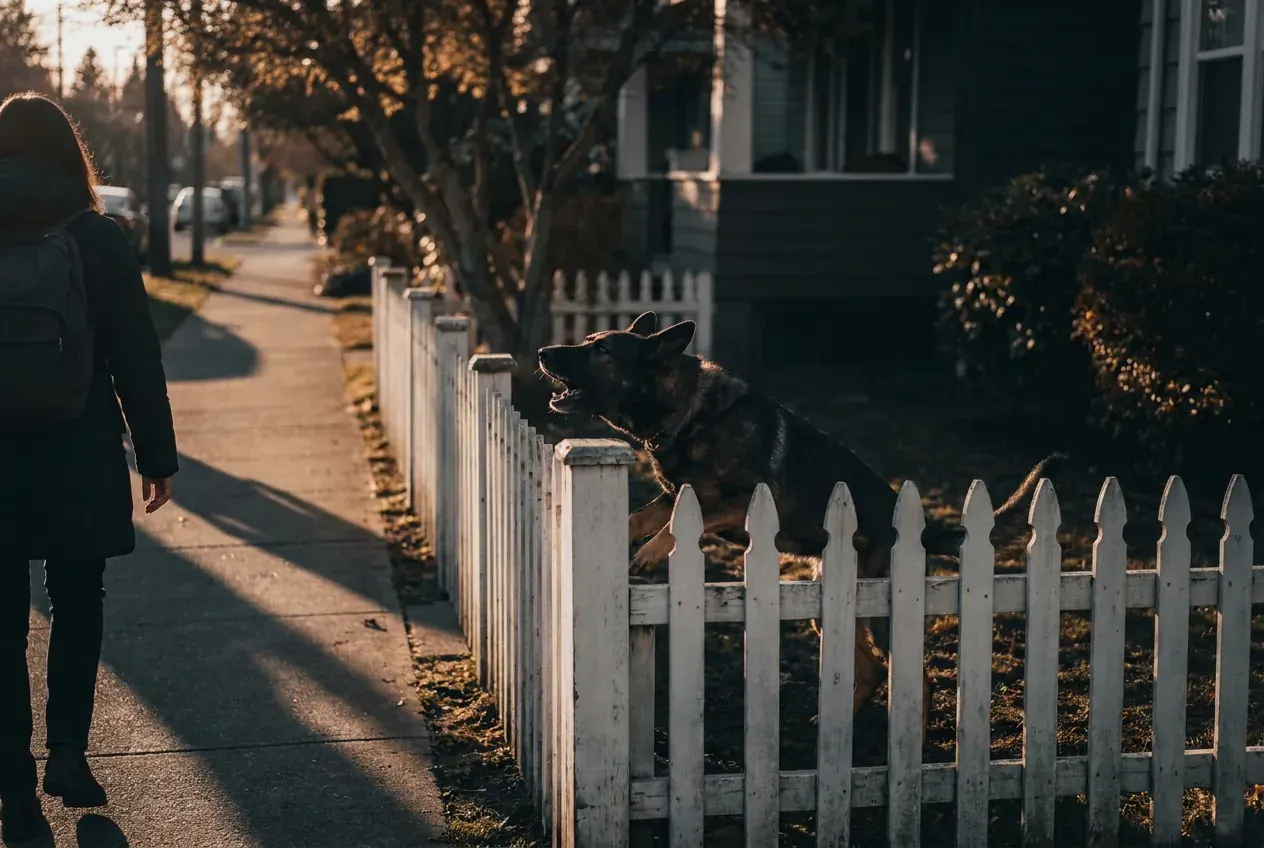
So the work is in the dog's past. Growling at visitors, lunging at the fence, earlier complaints to the city or a warning from the owner can all be the proof you need.
Indiana dog bite statute of limitations
Under IC 34-11-2-4 in Title 34 of the Indiana Code, an action for injury to a person must start within two years after it accrues.
A person under a legal disability gets two years after the disability ends, says IC 34-11-6-1. The definitions in Title 1 of the Indiana Code list being under 18 as a legal disability, so a child generally has until age 20.
Claims against government run on shorter notice periods. Notice to a city, county or other political subdivision is due within 180 days of the loss and notice to the state within 270 days.
How fault is split in Indiana
Indiana's comparative fault law bars you only if your own fault is greater than the fault of all the others who caused the harm. That rule is IC 34-51-2-6. If your share is smaller, you can still recover, reduced by that share.
A loose dog can also be a crime
IC 15-20-1-4 makes it a Class C misdemeanor when an owner recklessly, knowingly or intentionally fails to restrain a dog, the dog goes onto someone else's property and it bites or attacks a person without provocation, causing injury. A serious bodily injury raises the charge to a Class A misdemeanor and a death can make it a felony.
A police report or charge under that section can show the owner was careless. An Indiana dog bite lawyer can use it, along with the dog's history, to answer the harmless-dog presumption.

How to report a dog bite in Indiana
Report the bite to your local health department and to the animal control or police agency where it happened. The Indiana Department of Health, Report an Animal Bite page sets out the next steps.
Before you sign with anyone, check that the attorney is licensed: use the Indiana Roll of Attorneys.